Quality You Can Trust The Secrets Behind Top Hydraulic Machined Parts
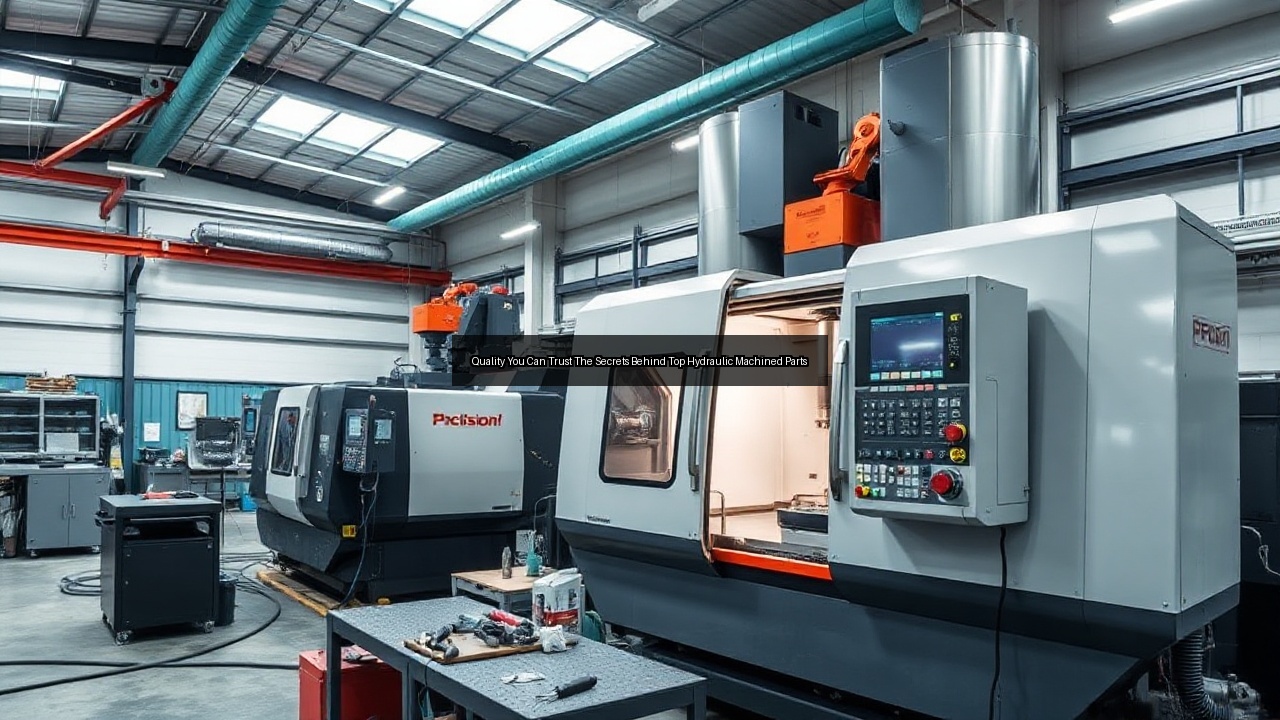
Understanding Hydraulic Machined Parts
What Are Hydraulic Machined Parts?
Hydraulic machined parts form the backbone of reliable fluid power systems across multiple sectors. These components undergo precise cutting and shaping to handle high pressure and repetitive motion without failure. A hydraulic machined parts manufacturer focuses on tight tolerances so valves, cylinders, and pumps operate smoothly. Machining removes material from metal stock to create exact geometries that prevent leaks and maintain consistent flow. Engineers specify materials like stainless steel or aluminum alloys because they resist corrosion in demanding environments. Each part must match design drawings down to microns to ensure interchangeability in assemblies. Without this level of accuracy, hydraulic systems lose efficiency and require frequent repairs. Companies that specialize in these parts combine traditional craftsmanship with modern equipment to deliver consistent results every production run.
The Role of Hydraulic Systems in Industry
Hydraulic systems power heavy equipment in construction, agriculture, and aerospace by converting fluid pressure into mechanical force. Machined hydraulic parts sit at the core of these systems, directing fluid through pumps and actuators with minimal resistance. Operators depend on them for precise control during lifting, pressing, and steering tasks. A single failure in a critical component can halt entire production lines, which explains why manufacturers prioritize durability. Hydraulic systems outperform electric alternatives in high-load situations because they deliver more force per unit size. Industries continue to adopt advanced hydraulic machined parts to improve safety and reduce downtime. Regular upgrades to these components help facilities meet stricter environmental regulations while maintaining output levels.
Key Characteristics of Quality Hydraulic Parts
Top-tier hydraulic machined parts exhibit surface finishes that reduce friction and extend seal life. Hardness levels must withstand constant pressure cycles without deformation. Dimensional stability ensures parts fit correctly during assembly and resist warping under temperature changes. A reputable hydraulic machined parts manufacturer tests every batch for pressure resistance and leak prevention before shipment. Corrosion resistance protects components exposed to moisture or chemicals on job sites. Fatigue strength allows repeated operation over thousands of hours without cracking. These characteristics separate reliable parts from those that cause system breakdowns. Buyers verify material certifications and inspection reports to confirm they receive components built for long-term performance.
The Manufacturing Process of Hydraulic Machined Parts
Machining Techniques: CNC vs. Traditional Methods
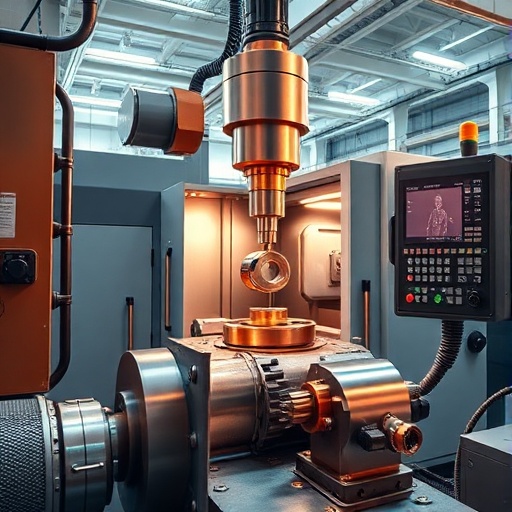
CNC machining delivers repeatable accuracy that manual methods struggle to match when producing hydraulic parts. Computer-controlled tools follow programmed paths to create complex internal channels and external threads without operator fatigue. Traditional lathes and mills still serve for prototypes or low-volume runs where quick adjustments matter. However, CNC machining reduces scrap rates and shortens lead times for high-precision hydraulic machined parts. Shops combine both approaches to balance speed with flexibility. Five-axis CNC centers handle undercuts and angled ports in one setup, eliminating secondary operations. This capability lets a hydraulic machined parts manufacturer meet tight deadlines while maintaining the surface integrity required for sealing surfaces.
The Importance of Milling in Hydraulic Part Production
Milling creates flat surfaces, slots, and pockets essential for mounting hydraulic components. Multi-axis milling machines remove material efficiently from large blocks while preserving structural strength. Proper fixturing prevents vibration that could ruin tolerances on critical hydraulic machined parts. Tool selection and cutting parameters directly influence finish quality and tool life. Manufacturers optimize milling paths to minimize heat buildup that might distort thin-walled cylinders. Coolant delivery systems keep temperatures stable during long cuts. Skilled programmers verify toolpaths through simulation software before running actual stock. This attention to detail ensures each milled feature aligns perfectly with subsequent operations like drilling and tapping.
The CNC Lathe: Revolutionizing Machined Components
CNC lathes produce rotational symmetry on shafts, pistons, and valve spools faster than conventional turning. Live tooling allows milling and drilling in the same setup, reducing handling and improving concentricity. Bar feeders enable lights-out production of hydraulic machined parts during overnight shifts. Precision spindles maintain consistent speeds that prevent chatter on slender workpieces. A hydraulic machined parts manufacturer programs these machines to hold diameters within microns for proper piston-to-bore fits. Quick-change tooling systems cut setup times between different part numbers. The result is lower cost per piece and higher throughput without sacrificing the quality standards demanded by hydraulic applications.
Quality Assurance in Hydraulic Machining
The Role of Quality Assurance in Manufacturing
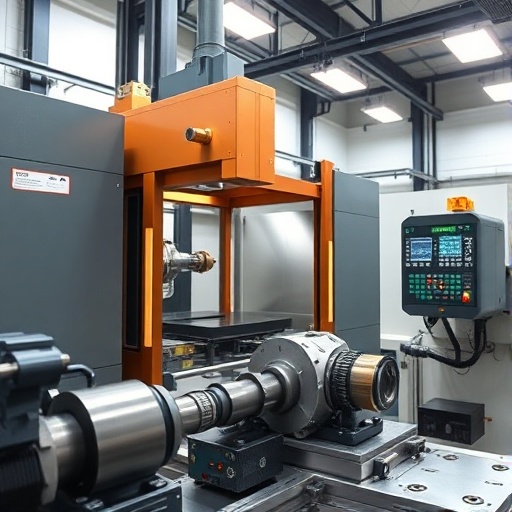
Quality assurance begins with incoming material inspection and continues through every machining stage. In-process checks catch deviations before they become scrap or defective hydraulic parts. Final verification includes dimensional inspection, surface roughness measurement, and pressure testing. Documentation trails allow traceability from raw stock to finished component. Teams trained in statistical process control monitor trends to prevent drift. A hydraulic machined parts manufacturer that invests in these protocols reduces warranty claims and builds customer loyalty. Regular audits of equipment calibration keep measurement tools accurate. This systematic approach turns quality from an afterthought into a competitive advantage.
Standards and Certifications for Hydraulic Parts
ISO 9001 certification signals that a manufacturer follows documented processes for consistent output. Additional standards such as AS9100 apply when parts serve aerospace hydraulic systems. Pressure vessel codes and material traceability requirements add further layers of compliance. Third-party audits verify that inspection equipment meets specifications and operators follow approved procedures. Customers often request PPAP submissions or first-article inspections before approving production runs. Meeting these standards demonstrates that a hydraulic machined parts manufacturer understands the consequences of part failure in the field. Compliance also opens doors to contracts with OEMs that demand rigorous quality systems.
Case Studies: Quality Control at Hogge Precision and McCormick Industries
Hogge Precision implemented coordinate measuring machines and automated vision systems to inspect hydraulic machined parts at multiple stages. Their team reduced dimensional rejects by tracking tool wear in real time. McCormick Industries added cleanroom assembly areas and helium leak detection for critical hydraulic components. Both companies share detailed inspection records with clients, building trust through transparency. These investments in quality assurance allowed them to secure long-term contracts with equipment builders who refuse to compromise on reliability. Their success shows that rigorous controls pay off in repeat business and industry reputation.
Efficiency and Innovation in Hydraulic Manufacturing
FZE Manufacturing Solutions: A Leader in Hydraulic Component Production
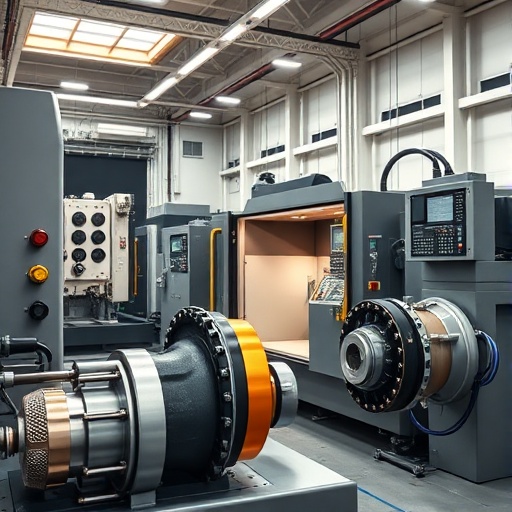
FZE Manufacturing Solutions streamlined workflows by integrating CNC machining centers with robotic material handling. Their engineers redesigned fixtures to cut cycle times on common hydraulic machined parts. Real-time production monitoring lets supervisors reallocate resources when bottlenecks appear. The company also invested in employee training programs that emphasize both speed and precision. These changes increased output while maintaining the tight tolerances hydraulic systems require. FZE continues to refine processes based on feedback from field performance data, keeping their position as a preferred hydraulic machined parts manufacturer.
Emerging Technologies in Hydraulic Machining
Additive manufacturing now produces near-net-shape blanks that reduce milling time on complex hydraulic parts. Laser scanning verifies finished dimensions without contact, speeding up inspection. AI-driven toolpath optimization predicts and prevents tool breakage during long cuts. Hybrid machines combine turning, milling, and grinding in one setup for complete hydraulic machined parts. These technologies lower energy use and material waste while improving repeatability. Forward-thinking manufacturers adopt them selectively to stay competitive without overextending capital budgets.
Optimizing Efficiency in Hydraulic Parts Production
Lean principles eliminate non-value-added steps in the production of hydraulic machined parts. Setup reduction through standardized tooling and quick-change systems increases machine utilization. Predictive maintenance on CNC equipment prevents unplanned downtime. Supply chain partnerships ensure raw material arrives just in time and to exact specifications. Continuous improvement teams review every rejected part to identify root causes and implement corrective actions. The combined effect raises throughput, lowers costs, and delivers higher-quality hydraulic parts to customers faster than ever before.