Understanding the Role of Ceramic Backing in Plasma Cutting
The Importance of Ceramic Backing in Welding Processes
Overview of Welding Techniques
Welding encompasses various techniques designed to join metal parts together, creating robust structures essential in numerous industries. Techniques such as TIG (Tungsten Inert Gas) welding, MIG (Metal Inert Gas) welding, and plasma cutting utilize different methods to achieve optimal results. Each technique has its unique advantages, but all share a common goal: producing strong, durable welds. The choice of backing materials plays a crucial role in achieving the desired weld quality, with ceramic backing emerging as a preferred option among professionals. Understanding the nuances of various welding processes enhances a welder's ability to select appropriate materials that contribute to the overall success of their projects.
Benefits of Using Ceramic Backing in Welds
Ceramic backing provides several advantages that elevate the quality of welds. First, it acts as a thermal insulator, minimizing heat loss during the welding process and promoting better fusion of the metal. This insulation contributes to a more uniform weld bead, reducing the risk of defects such as porosity or cracking. Second, ceramic materials are chemically inert, preventing contamination of the weld pool. This characteristic ensures that the integrity of the weld remains intact, especially when working with sensitive materials like aluminum. Additionally, ceramic backing offers excellent adhesion, allowing it to bond effectively to the base material. This strong bond is essential for maintaining stability during the welding process and ultimately contributes to the durability of the finished product.
Comparing Ceramic to Other Backing Materials
While various backing materials exist, ceramic backing stands out for its unique properties. Traditional options like metal or wood lack the thermal insulation and chemical resistance that ceramics offer. Metal backing can lead to excessive heat conduction, resulting in warping or distortion of the workpiece. Wood, on the other hand, can introduce contaminants into the weld pool. Comparatively, ceramic backings maintain their integrity under extreme temperatures and do not react with molten metal. This advantage makes ceramic an ideal choice for challenging applications, such as TIG welding and plasma cutting. Furthermore, the flexibility of ceramics allows them to be shaped and sized to fit specific welding geometries, enhancing their usability across a range of projects.
Applications of Ceramic Backing in Plasma Cutting and Beyond
Role of Ceramic Backing in Plasma Cutting
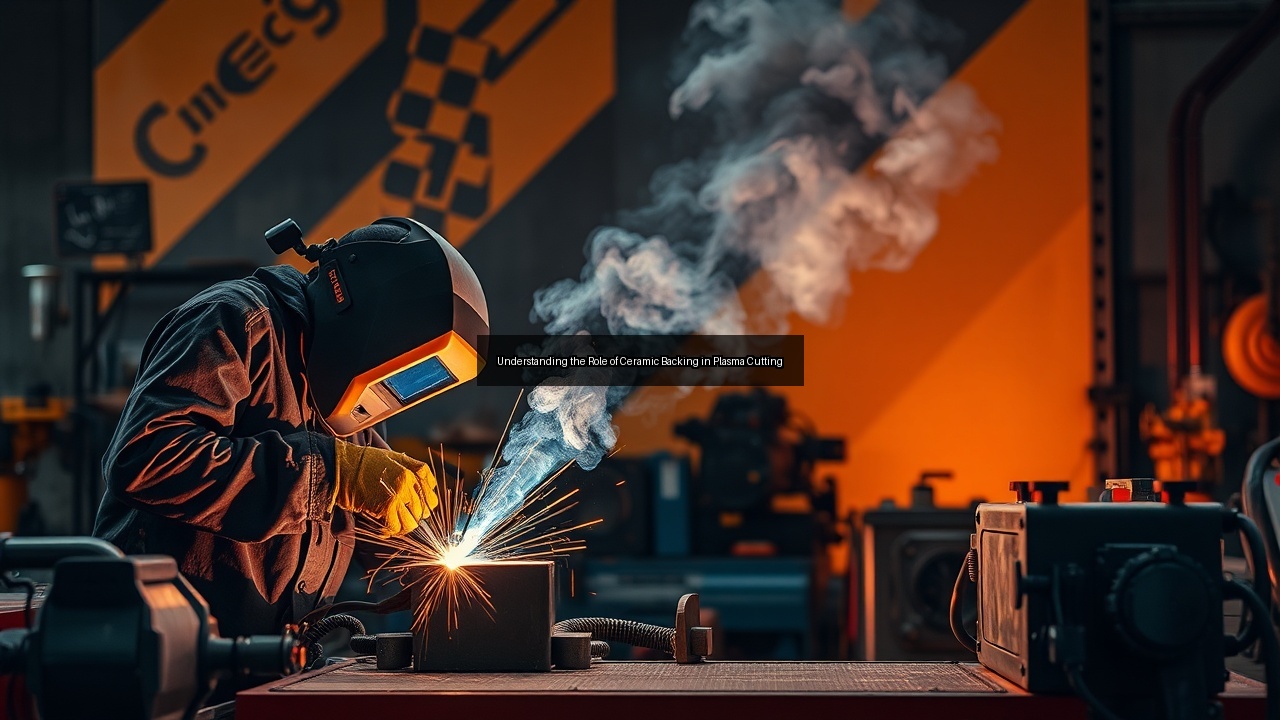
Ceramic backing plays a pivotal role in plasma cutting, a technique widely used for its precision in cutting various metals. In plasma cutting, an arc forms between an electrode and the workpiece, heating the metal until it melts and is blown away by a high-velocity jet of ionized gas. The presence of ceramic backing enhances this process by providing a stable foundation that supports the cut. It helps control the heat-affected zone, ensuring that the edges remain clean and free from burn marks. The exceptional thermal resistance of ceramic materials prevents heat from transferring to surrounding areas, which is critical when cutting thin materials. Moreover, ceramic backing can withstand the harsh conditions of plasma cutting, maintaining its performance even under high temperatures.
Ceramic Backing in TIG and MIG Welding
The use of ceramic backing extends into other welding techniques such as TIG and MIG welding. In TIG welding, the precision required for thin-walled materials is paramount. Ceramic backing provides the necessary thermal protection, allowing welders to create clean, high-quality welds. This is particularly beneficial when working with materials susceptible to warping or distortion. In MIG welding, ceramic materials enhance the overall process by supporting the weld pool and preventing excessive spatter. The incorporation of ceramic backing in both TIG and MIG applications not only improves weld quality but also enhances the efficiency of the welding process. Welders can achieve better control and consistency, resulting in stronger and more reliable welds.
Ceramic Materials in Marine and Industrial Applications
Ceramic backing finds extensive use in marine and industrial applications due to its durability and resistance to harsh environments. In marine settings, equipment and structures face constant exposure to moisture, salt, and other corrosive elements. Ceramic materials provide a protective barrier that withstands these conditions, ensuring the longevity of welded joints. In industrial applications, where heavy machinery operates under extreme stress, the need for strong, reliable welds becomes critical. Ceramic backing enhances the performance of welds in these environments, offering resistance to wear and tear. Industries such as shipbuilding and heavy-duty manufacturing particularly benefit from the unique properties of ceramic materials, which support the integrity of welds in demanding situations.
Technical Considerations for Using Ceramic Backing
Geometry and Adhesion in Welding
When integrating ceramic backing into welding processes, geometry and adhesion become crucial factors. The shape and size of the ceramic backing must align with the workpiece to ensure optimal heat distribution and support. A well-fitted ceramic backing enhances the adhesion between the ceramic and the metal, creating a stable base for the weld. This stability minimizes movement during the welding process, reducing the likelihood of defects. Furthermore, the thickness of the ceramic backing can impact heat retention and the overall effectiveness of the weld. Welders must carefully consider these factors to ensure that the ceramic backing contributes positively to the weld quality and overall project success.
Choosing the Right Ceramic Backing Material
Selecting the appropriate ceramic backing material requires a thorough understanding of the specific application and welding technique. Various types of ceramics, including alumina and zirconia, offer different properties that can influence performance. For instance, alumina is known for its high-temperature resistance and durability, making it suitable for high-stress applications. In contrast, zirconia offers superior thermal stability and toughness, which can be beneficial in environments with extreme temperature fluctuations. Welders must assess the project's requirements, including the type of metal being welded and the anticipated conditions, to make an informed choice. A well-chosen ceramic backing material enhances the welding process and contributes to the quality and longevity of the welds.
Impact on Weld Quality and Durability
The impact of ceramic backing on weld quality and durability cannot be overstated. By providing thermal insulation and preventing contamination, ceramic backings significantly improve the structural integrity of welds. This enhancement leads to fewer defects, such as cracks and porosity, which can compromise the strength of the finished product. Additionally, the use of ceramic backing prolongs the life of welds, especially in environments where wear and corrosion are prevalent. Welders who prioritize the use of ceramic materials often find that their final products not only meet industry standards but also exceed expectations in terms of performance and longevity. Investing in quality ceramic backing translates to higher-quality welds, ultimately driving project success.
Future Trends in Welding Technology and Ceramic Backing
Automation and Advances in Ceramic Backing
The future of welding technology will likely see increased automation, with advancements in robotics and machine learning transforming traditional practices. As automation becomes more prevalent, the role of ceramic backing in welding processes will evolve. Automated systems can benefit from the precision and consistency offered by ceramic materials, leading to enhanced weld quality and efficiency. Furthermore, ongoing research and development in ceramic materials may yield new formulations that improve performance even further. Innovations could lead to lighter, more effective ceramic backings that enhance the capabilities of automated welding systems. The fusion of automation and advanced ceramic backing will undoubtedly shape the future landscape of welding technology.
Gullco International and Voestalpine Innovations
Industry leaders like Gullco International and Voestalpine are at the forefront of developing innovative solutions in welding technology, particularly regarding ceramic backing. Gullco has established a reputation for pioneering welding automation and equipment, integrating advanced materials into their products. Their focus on precision and reliability aligns well with the benefits of ceramic materials. Voestalpine, with its expertise in high-performance materials, continues to push the boundaries of what ceramic backing can achieve. Both companies are instrumental in advancing the welding industry, providing solutions that enhance productivity and quality. Collaborations among such innovators will likely lead to new, groundbreaking applications of ceramic backing in welding.
Protective Gear: Welding Helmets and Safety with Ceramic
Safety remains a top priority in welding, and the integration of ceramic materials extends to protective gear, such as welding helmets. Modern welding helmets often feature ceramic components that enhance durability and resistance to extreme conditions. These helmets provide essential protection against sparks, heat, and harmful UV radiation, ensuring the safety of welders. As the industry progresses, the development of advanced protective gear will likely incorporate more ceramic materials, enhancing the performance and safety of welders. The continuous evolution of safety equipment, combined with the benefits of ceramic backing, will foster a safer working environment, enabling welders to perform at their best without compromising their well-being.