Understanding the AS9100 Certification Process for Machine Shops
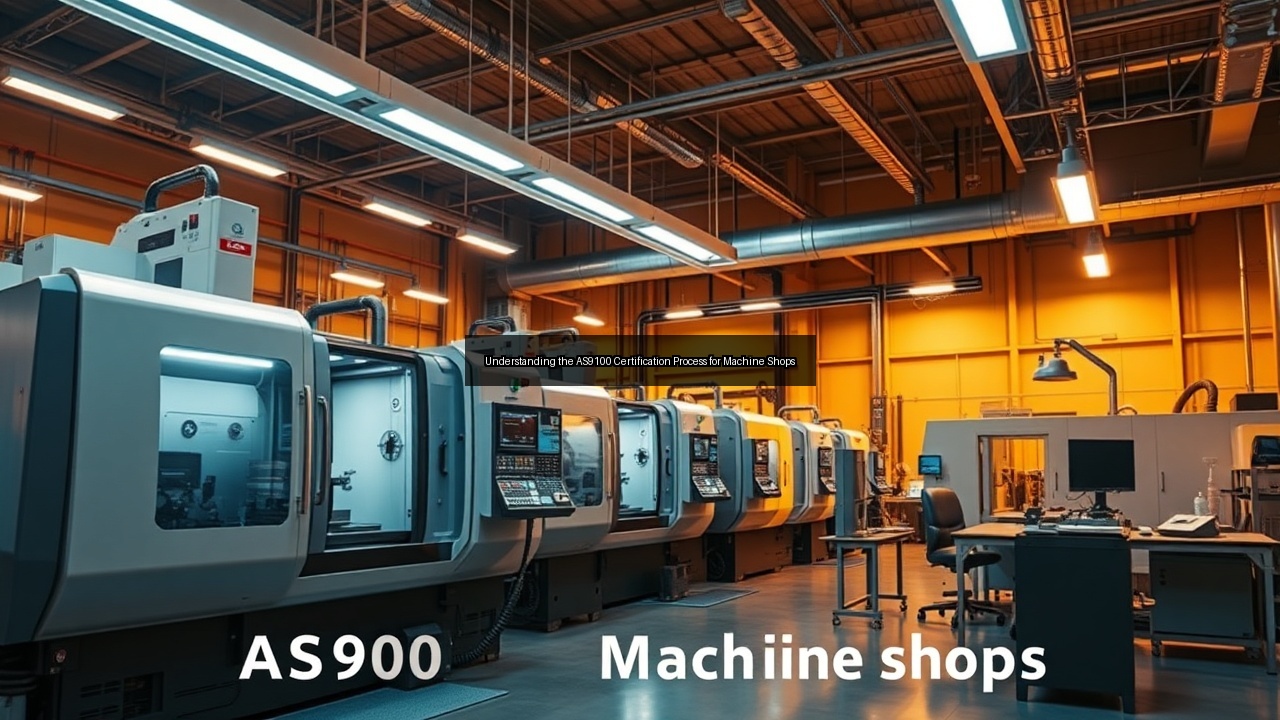
The Importance of AS9100 Certification for Machine Shops
Understanding AS9100 Standards
AS9100 certification represents a critical quality management standard specifically designed for the aerospace industry. This standard, which evolved from ISO 9001, incorporates additional requirements tailored to the unique needs of aerospace machine shops. Understanding AS9100 means grasping its emphasis on safety, reliability, and quality in the manufacturing process. The AS9100 standards cover all aspects of the production process, from design and development through delivery and maintenance. Compliance with these standards not only enhances the operational efficiency of a machine shop but also instills confidence in customers regarding product quality. Machine shops that embrace AS9100 standards position themselves as leaders in the aerospace sector, showcasing their commitment to excellence.
Benefits of AS9100 Certification for Aerospace Machine Shops
Obtaining AS9100 certification offers numerous benefits for aerospace machine shops. First and foremost, it opens doors to new business opportunities. Many aerospace companies require their suppliers to be AS9100 certified, ensuring that every component meets stringent quality and safety standards. This certification also enhances the credibility of a machine shop, establishing a reputation for reliability and excellence. Furthermore, AS9100 certification leads to improved internal processes, reducing waste, and increasing efficiency. By implementing the structured framework provided by AS9100, machine shops can achieve higher levels of customer satisfaction through consistent product quality. Ultimately, the certification serves as a powerful marketing tool, distinguishing certified shops in a competitive landscape.
Impact on Quality Management Systems
The AS9100 certification profoundly impacts the quality management systems (QMS) of aerospace machine shops. It requires a systematic approach to quality management that goes beyond basic compliance. Machine shops must document processes, establish measurable objectives, and conduct regular audits to ensure adherence to the standards. This rigorous approach fosters a culture of continuous improvement, where teams actively seek ways to enhance processes and outcomes. The emphasis on risk management within the AS9100 framework enables machine shops to identify potential issues before they escalate, maintaining high-quality production levels. By integrating AS9100 standards into their QMS, machine shops not only comply with industry regulations but also strengthen their operational capabilities.
The AS9100 Certification Process
Preparing for AS9100 Certification
Preparation is key for machine shops seeking AS9100 certification. The first step involves conducting a thorough gap analysis to identify areas that need improvement relative to AS9100 requirements. This analysis enables machine shops to develop a tailored action plan that addresses specific compliance issues. Additionally, engaging employees at all levels is crucial. Education and training sessions ensure that everyone understands the significance of AS9100 standards and their role in achieving compliance. Machine shops should also invest in upgrading their documentation practices. From creating clear policies to ensuring accurate record-keeping, robust documentation forms the backbone of a successful certification process. Effective preparation not only streamlines the certification process but also lays the groundwork for long-term compliance.
Key Steps in the Certification Process
The AS9100 certification process involves several key steps that machine shops must follow to achieve compliance. After preparation, the next step is to choose an accredited certification body. This organization will conduct an initial audit to assess the machine shop's compliance with AS9100 standards. During this audit, the auditor examines processes, documentation, and employee understanding of the quality management system. Following the audit, the certification body provides a report detailing any non-conformities that need addressing. Machine shops must then implement corrective actions to resolve these issues. Once the certification body is satisfied with the improvements, they grant the AS9100 certification. Regular surveillance audits occur thereafter to ensure ongoing compliance with the standards, promoting continuous improvement.
Common Challenges Faced by Machine Shops
Machine shops encounter various challenges when pursuing AS9100 certification. One significant hurdle is the initial investment aerospace CNC machine shop in time and resources. Implementing the necessary changes to meet AS9100 standards often requires substantial adjustments to existing processes. Additionally, many machine shops struggle with the complexity of documentation required for compliance. Maintaining accurate records, creating detailed process descriptions, and ensuring employee training can overwhelm smaller operations. Resistance to change among staff may also pose a challenge. Overcoming these obstacles demands strong leadership and effective communication. By highlighting the benefits of AS9100 certification, machine shops can foster a culture of quality and engagement, ultimately leading to a successful certification journey.
Maintaining AS9100 Compliance
Ongoing Inspection and Verification
Maintaining AS9100 compliance requires ongoing inspection and verification processes. Machine shops must implement a robust internal audit schedule to routinely assess adherence to quality management standards. These audits help identify non-conformities and areas for improvement, ensuring that the shop continuously meets AS9100 requirements. Additionally, regular inspections of the production processes, tools, and machinery are essential. Incorporating a feedback loop from these inspections allows for real-time adjustments and improvements. Continuous monitoring not only sustains compliance but also reinforces a culture of quality within the machine shop. By prioritizing inspection and verification, machine shops can uphold the integrity of their processes and deliver consistent, high-quality products to the aerospace industry.
Traceability in CNC Machining
Traceability plays a vital role in maintaining AS9100 compliance for machine shops, particularly those engaged in CNC machining. The ability to trace every component back to its origin ensures accountability and enhances product quality. Machine shops should implement traceability systems that track materials, manufacturing processes, and inspection results throughout the production cycle. A well-structured traceability system not only facilitates compliance with AS9100 standards but also strengthens customer confidence. In the event of a product failure, traceability allows for swift identification and resolution of the issue. By investing in comprehensive traceability measures, aerospace machine shops can safeguard their reputation and ensure that they consistently meet stringent industry standards.
Using Checklists for Continuous Improvement
Using checklists serves as an effective strategy for continuous improvement in AS9100 compliance. Checklists provide a structured approach to quality management, ensuring that machine shops do not overlook critical tasks. Regularly updated checklists help teams stay organized and focused on compliance-related activities, from inspections to documentation reviews. These tools facilitate accountability among employees, as they can easily track progress on assigned tasks. Furthermore, checklists encourage teams to reflect on their processes, identify potential enhancements, and implement best practices. By integrating checklists into daily operations, machine shops can foster a culture of quality and continuous improvement, which is essential for maintaining AS9100 certification.
Resources for AS9100 Certification
Recommended Books and Guides
Numerous books and guides provide valuable insights into the AS9100 certification process, offering practical advice tailored for machine shops. Titles such as "The AS9100 Standard Explained" and "Implementing the AS9100 Rev D Standard" delve into the details of compliance, providing step-by-step guidance on meeting the standards. These resources often include case studies and examples from successful aerospace machine shops, illustrating best practices and common pitfalls. Additionally, guides that focus on quality management systems can help machine shops develop an effective QMS aligned with AS9100 requirements. Investing time in these resources equips teams with the knowledge necessary to navigate the certification process and maintain compliance.
Finding Certification Bodies
Selecting the right certification body is crucial for machine shops pursuing AS9100 certification. Various organizations offer certification services, but not all have the same level of expertise or reputation within the aerospace industry. Machine shops should seek accredited bodies recognized by the International Aerospace Quality Group (IAQG). Researching each body’s track record, customer reviews, and industry experience can help shops make informed decisions. Additionally, machine shops can benefit from recommendations from peers or industry associations. Establishing a partnership with a reputable certification body not only streamlines the certification process but also provides ongoing support and guidance in maintaining compliance.
Training and Support for Machine Shops
Training and support resources play a pivotal role in helping machine shops achieve and maintain AS9100 certification. Many organizations offer training programs specifically designed for AS9100, covering topics such as quality management principles, internal auditing, and risk management. These courses equip employees with the skills necessary to understand and implement aerospace CNC machine shop AS9100 standards effectively. Additionally, workshops and webinars provide opportunities for machine shops to engage with industry experts and share best practices. Seeking support from consultants who specialize in AS9100 can also prove beneficial. These professionals can offer tailored advice and assist in navigating the complexities of compliance. By prioritizing training and support, machine shops strengthen their capabilities and enhance their journey towards achieving and sustaining AS9100 certification.