Discover the Leading Hydrostatic Testing Companies for Pipeline Integrity
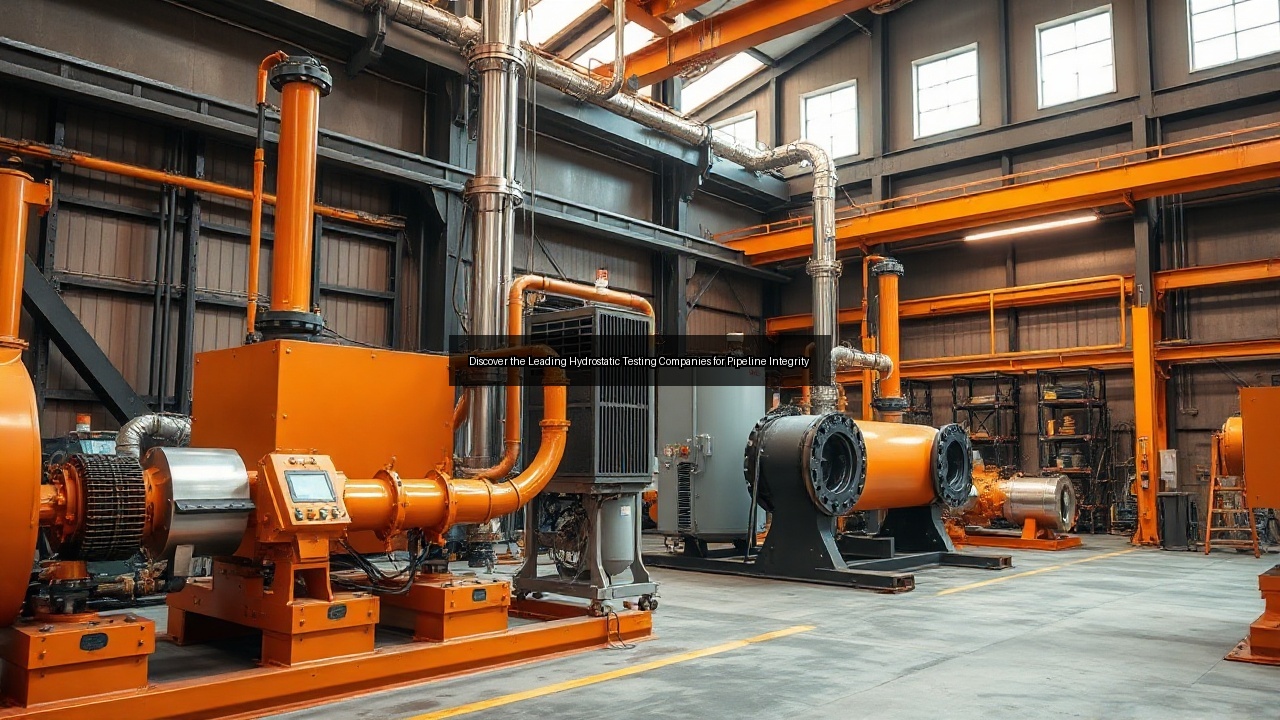
Understanding Hydrostatic Testing and Its Importance
What is Hydrostatic Testing?
Hydrostatic testing serves as a crucial process to ensure the integrity and safety of pipelines. This technique involves filling a pipeline with liquid—commonly water—at a pressure higher than its normal operating pressure. The primary goal hydrostatic pressure test company is to identify leaks, assess the strength of the pipeline, and verify its ability to withstand high-pressure conditions. In essence, hydrostatic pressure testing offers a reliable method to evaluate pipeline durability and safety, making it a favorite among hydrostatic testing companies. After undergoing this testing, pipelines can confidently transport fluids, whether they are gases or liquids, without risk. The method's name derives from the term "hydrostatic," which refers to the pressure exerted by a fluid at rest. Understanding this process is essential for industries that rely on robust pipeline systems.
Applications in the Oil and Gas Industry
The oil and gas industry significantly relies on hydrostatic testing for pipeline integrity management. Companies engaged in this sector utilize hydrostatic testing to ensure that both new installations and existing pipelines meet safety standards. The testing process helps to prevent catastrophic failures that could lead to environmental disasters or loss of life. From the transportation of crude oil to natural gas, the integrity of pipelines is paramount. Hydrostatic testing identifies issues such as corrosion, manufacturing defects, or damage from construction activities. These assessments not only protect the environment but also enhance operational efficiency and reduce the risk of costly shutdowns. As the demand for energy continues to rise, hydrostatic testing remains a vital component of pipeline management in the oil and gas industry.
Safety Considerations in Pipeline Testing
Safety stands at the forefront of hydrostatic testing procedures. Companies performing these tests must adhere to strict regulations and standards to ensure operational safety. The process involves handling high-pressure fluids, which can pose risks if not managed properly. Hydrostatic testing companies implement safety measures such as pressure monitoring, protective gear for technicians, and detailed risk assessments before commencing tests. Additionally, the use of nitrogen in certain testing scenarios minimizes the risk of environmental contamination and enhances safety during the testing process. By prioritizing safety, these companies not only protect their employees but also safeguard the surrounding communities and ecosystems from potential hazards associated with pipeline failures.
Top Hydrostatic Testing Companies in the Market
Criteria for Choosing a Hydrostatic Testing Company
Selecting the right hydrostatic testing company involves several critical criteria. First, consider the company's experience and expertise in the field. A firm with a long-standing reputation in hydrostatic pressure testing ensures familiarity with various pipeline materials and conditions. The availability of advanced technology also plays a crucial role; companies employing the latest hydro testing equipment can deliver more accurate and efficient results. Additionally, assess the company's safety record and compliance with industry regulations. A strong emphasis on safety not only protects workers but also enhances the reliability of testing outcomes. Lastly, customer service and support are essential. Companies that prioritize clear communication and responsiveness typically foster better relationships with clients, leading to successful project outcomes.
Profiles of Leading Hydrostatic Testing Firms
Innovative Technologies in Hydrostatic Testing
Innovation drives the evolution of hydrostatic testing methodologies. Companies continually adopt advanced technologies to enhance testing accuracy and efficiency. For instance, the use of automated systems allows for real-time monitoring of pressure levels during testing, reducing the risk of human error. Furthermore, some firms employ non-destructive testing (NDT) techniques alongside hydrostatic testing to identify weaknesses in pipelines without causing damage. The integration of digital tools and software also streamlines data analysis, enabling faster reporting and decision-making. Such innovations not only improve safety and reliability but also contribute to cost savings in pipeline management. As technology progresses, hydrostatic testing companies will likely continue to evolve their methods, ensuring optimal pipeline integrity across hydrostatic pressure testing companies various sectors.
Specialized Services Offered by Hydrostatic Testing Companies
Mechanical and Pneumatic Testing
Hydrostatic testing companies often extend their services to include mechanical and pneumatic testing. Mechanical testing evaluates the physical properties of pipeline materials under pressure, ensuring that they meet industry standards. This assessment is essential for materials used in high-stress environments, such as oil and gas pipelines. Pneumatic testing, on the other hand, utilizes gases—usually air or nitrogen—to test pipelines. While it poses different risks compared to liquid testing, pneumatic testing serves as a valuable alternative when hydrostatic testing is impractical. By offering both mechanical and pneumatic testing solutions, hydrostatic testing firms cater to a broader range of client needs, providing comprehensive assessments that ensure the safety and integrity of various pipeline systems.
Chemical and Liquid Testing Solutions
Hydrostatic testing companies also provide specialized chemical and liquid testing solutions tailored to specific industry requirements. Chemical testing assesses the compatibility of pipeline materials with various fluids, including hazardous chemicals and corrosive substances. This testing ensures that pipelines can safely transport these substances without risk of leaks or failures. Liquid testing, which often accompanies hydrostatic testing, focuses on the performance of pipelines when transporting liquids under pressure. Companies engaged in the oil and gas sector frequently rely on both chemical and liquid testing to guarantee that their pipelines can withstand the rigors of transporting crude oil, natural gas, and other liquids. By offering these specialized services, hydrostatic testing firms enhance safety and compliance across multiple industries.
Validation Services for Various Industries
Validation services represent another critical offering from hydrostatic testing companies. These services ensure that pipelines meet all regulatory requirements and industry hydrostatic pressure test company standards before entering service. Industries such as aerospace, energy, and construction often require rigorous validation processes to confirm that their pipeline systems can operate safely and efficiently. Hydrostatic testing firms perform comprehensive evaluations, including pressure tests, material inspections, and compliance checks. This thorough approach not only bolsters pipeline integrity but also instills confidence in stakeholders regarding the safety of their operations. By providing validation services, hydrostatic testing companies play an integral role in maintaining the high standards necessary for modern infrastructure.
Future Trends in Hydrostatic Testing for Pipeline Integrity
Impact of Technological Advancements
Technological advancements will continue to reshape the landscape of hydrostatic testing. The integration of artificial intelligence and machine learning into testing processes promises enhanced predictive analytics, allowing companies to anticipate potential issues before they arise. Additionally, the development of more sophisticated sensors will facilitate real-time data collection during tests, improving accuracy in detecting leaks and weaknesses. Remote monitoring capabilities will also gain traction, enabling hydrostatic testing companies to oversee multiple sites simultaneously. These innovations will not only streamline operations but also enhance the overall reliability of pipeline systems, reinforcing the importance of hydrostatic testing in maintaining pipeline integrity.
The Role of Hydrostatic Testing in Sustainable Energy
As the world shifts towards sustainable energy sources, hydrostatic testing will play a pivotal role in ensuring the safety and functionality of new pipeline systems. Renewable energy projects, such as those involving biofuels and hydrogen transport, require rigorous testing protocols to meet safety standards. Hydrostatic testing companies that adapt to these new demands will remain essential in facilitating the transition to cleaner energy. By implementing hydrostatic testing in emerging technologies, these firms contribute to the sustainability of energy infrastructure while ensuring that pipelines can handle the unique challenges posed by alternative fuels. This alignment with sustainable practices solidifies the relevance of hydrostatic testing in the evolving energy landscape.
Challenges and Opportunities in the Hydro Testing Sector
The hydrostatic testing sector faces challenges that companies must navigate to thrive. Regulatory changes and increasing environmental concerns prompt hydrostatic testing firms to adapt their practices continually. Compliance with evolving standards demands investment in training and technology. However, these challenges also present opportunities for growth and innovation. Companies that embrace advanced testing methodologies and prioritize safety will distinguish themselves in a competitive market. Furthermore, the rising demand for pipeline integrity management across various industries creates new avenues for hydrostatic testing firms to expand their services. companies doing hydrostatic pressure tests By addressing challenges proactively, these companies can capitalize on emerging trends and solidify their position as leaders in pipeline integrity solutions.
See Also
- How to Find Reliable Hydrostatic Testing Experts for Your Needs
- Hydrostatic Testing Companies and Their Impact on Fluid Safety Standards
- Ensuring Safety and Compliance with Top Hydrostatic Testing Firms
- How Hydrostatic Testing Companies are Revolutionizing Pipeline Integrity Management
- The Connection Between Hydrostatic Testing and Welding Quality Control